Tik Tok Time Capsules: Ways to Store Video Streams Before End
Within the constantly changing world of online platforms, TikTok has risen like a powerful platform for users, offering a distinctive way to connect with viewers through live broadcasts and brief video styles. However, one of the challenging aspects of TikTok is the fleeting nature of its media. Live streams and videos frequently come with an expiry, leaving creators and viewers desiring to capture those unforgettable moments before they vanish. This is where the value of preserving digital media comes into play.
For producers who dedicate time and energy into their streaming rig, including a resourceful streaming desk with a mic and a personal home streaming studio, it can be frustrating to consider that their efforts could be lost. Fortunately, there are ways to archive TikTok VODs and build a media repository that lasts. By using strategies like screen recording on a screen or saving files to the cloud, you can ensure that your content is kept reachable for later watching. In this article, we will explore various strategies for saving your TikTok videos and live streams, allowing you to construct a compilation that showcases your journey as a vertical video creator.
Essential Virtual Streaming Configuration
A solid live streaming setup is important for content creators who want to connect with their followers successfully. Having a purpose-built streaming desk with a mic allows you to provide clear audio and create a high-quality atmosphere. The appropriate microphone can dramatically enhance sound quality, making your streams more pleasurable for audience. Consider utilizing a headset to monitor your audio levels and ensure that your voice comes through sharp and distinct.
In also in audio equipment, a properly set up home streaming studio should include a trustworthy computer capable of processing high-quality video encoding. Setting up your workspace for best performance involves employing a high-speed internet connection and a HD monitor for screen recording. This is necessary to maintain smooth streaming and provide an engaging viewing experience for your audience. Don't forget to spend in good lighting, such as a smartphone with a ring light, to enhance your video quality considerably.
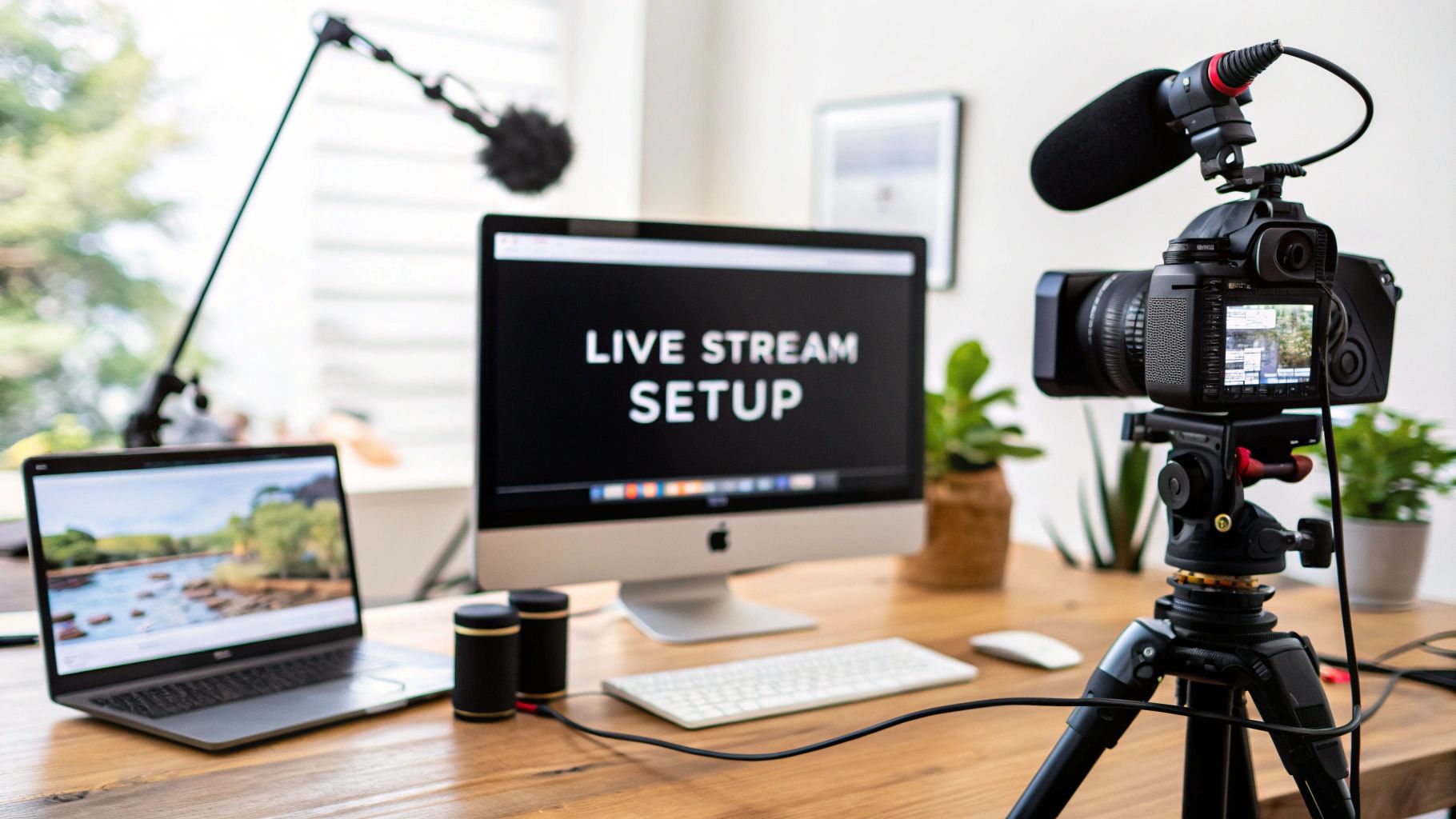
As a portable content creator, you should also get to know with the tools at your disposal for capturing and streaming on your phone. A portable filming setup can be convenient yet impactful, allowing you to create compelling vertical videos anywhere you go. With the best apps and online storage options, you will be able to save and back up your content without hassle, ensuring that your media library remains safe even after your live streams end.
Building a Home Streaming Space
Creating a personal broadcasting studio is crucial for any content creator looking to boost their real-time broadcasting experience. Start with a dedicated streaming desk that can hold all your equipment efficiently. A space that allows for organization will help you concentrate. Set up a mic that delivers crisp audio, as sound clarity is just as crucial as video quality for engaging your viewers.
Put money in a dependable capture system to capture your live broadcasts efficiently. A good webcam, such as a high-quality webcam or digital camera, alongside proper lighting, will significantly improve the aesthetic aspect of your streams. Setting up a home streaming space also involves ensuring your network is stable. A hard-wired connection is often more stable than Wi-Fi, providing a more seamless broadcasting performance.
Contemplate adding cloud solutions and backup solutions to securely store your videos on demand. By doing so, you can easily access your content across multiple platforms. StreamRecorder industry standard but also streamlines the process of sharing past streams with your viewers. With the right environment and equipment, you can generate compelling content that connects with audiences while ensuring it is kept for upcoming reference.
Capturing and Storing VODs
To effectively preserve your TikTok VODs before they disappear, it’s important to have the right tools and configuration in place. A neatly arranged streaming desk with a high-quality microphone can significantly improve your live streaming session. As a content creator, investing in a home streaming studio that includes a PC and a reliable headset will allow you to record and save your streams with simplicity. Screen recording software can also make a big difference in ensuring that all your videos is saved in high quality.
Once you have your live stream recorded, the next step is to store the files. Utilizing cloud services and backup options is a wise move to avoid losing any valuable content. Many online video player interfaces offer options to export your recordings directly. Make sure to transfer your saved VODs to a digital video library in the cloud, which not only secures your files but also makes it easy to access and distribute them later.
Lastly, keeping your material organized will help you handle your VODs efficiently. Label your clips clearly and create folders within your cloud storage for different categories or collections. This method simplifies the process when you want to retrieve specific streams for viewing or reusing. Whether you're watching videos on your laptop or your mobile device with a ring light, having your recordings systematically stored ensures that you can always revisit your top moments and continue engaging with your audience.
Leveraging Online Storage for Backups
Online storage solutions offers an ideal solution for preserving your TikTok VODs safe from expiration. By utilizing services like Dropbox, you can quickly upload your videos and access them whenever you need you need. This not only makes sure that your content is preserved but also allows you to free up space on your devices, allowing for a smoother experience while you're preparing your live streaming desk with audio equipment or working on other projects in your home streaming studio.
When saving your videos to the cloud, consider organizing them in a system that works for you, such as by date. This will help you create a cloud-based video library that is simple to navigate. Additionally, making an effort to label your files well will make it simpler to find specific content later, especially if you are a vertical video creator looking for that perfect clip for future editing or sharing.
In conclusion, backing your videos up to the cloud is an important safety net against data loss. In the unfortunate event of device failure or inadvertent deletion, having your content saved safely online allows you to restore it without difficulty. Using cloud storage remedies worries about the lifespan of your TikTok VODs, giving you peace of mind as you focus on your next project, whether that's engaging with your audience while watching streams on your phone or curating your content on your laptop.
Maximizing Online Film Archives
Building a digital video archive is essential for video makers that wish to store up their work and secure easy access to their favorite live broadcasts and video on demand. By structuring these films properly, you can sort your assets based on topics, timelines, or metrics. This structure enables easier retrieval and improved management of your film assets, whether you're using online storage or a local system. Consider implementing a home broadcasting studio arrangement that integrates seamlessly with your online library, enabling quick to insert new material as you produce it.
Incorporating a consistent naming system for your files improves the accessibility of your digital film library. By featuring details such as the time of the broadcast, kind of material, and any relevant markers in your file names, you facilitate a better search experience. Additionally, make use of screen capture and multiple video playback interfaces that enable rapid viewing and enhancement. A well-structured library is crucial for any mobile video producer that seeks to simplify their process and retain a polished presence across channels.
Finally, remember the significance of regular data backups to safeguard your film archive. Cloud storage not only provide a backup against content loss but also provide opportunities for collaboration and sharing. Whether you are keeping data to the cloud or making sure your broadcast station with audio equipment is constantly prepared for the future production, ensuring a solid data backup plan ensures your artistic work are never gone. By optimizing your digital film library, you not only secure your content but also boost your efficiency as a filmmaker.